How Road Traffic Accident Evidence Is Collected
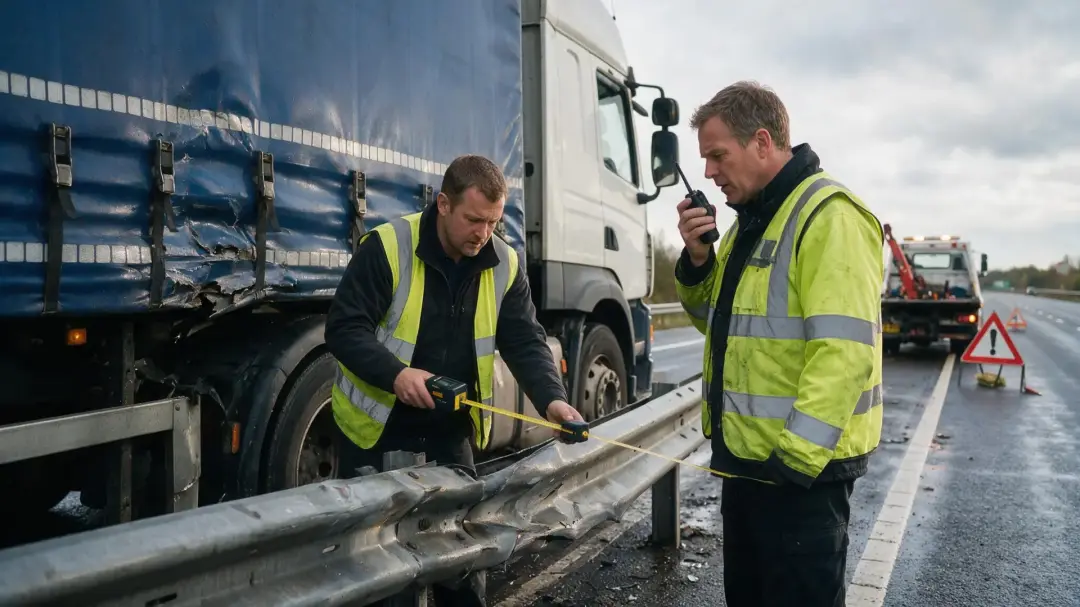
After a road traffic accident, understanding exactly what happened is not always straightforward. Vehicles may have moved, memories can differ and damage may not immediately explain how the collision occurred. This is why gathering reliable evidence as soon as possible can be an important part of a road traffic accident investigation.
The evidence collected can include photographs, video footage, vehicle damage, measurements, road markings, witness accounts and information recorded by vehicles. Investigators may consider several different sources together rather than relying on one piece of evidence. This can help establish the movements of the vehicles, the conditions at the time and the events that may have contributed to the accident.
Why Is Evidence Important After a Road Traffic Accident?
Road accidents remain a significant issue across Great Britain. Department for Transport figures show that there were 127,883 casualties of all severities in reported road collisions during 2025. This included 1,538 fatalities and 29,918 people who were killed or seriously injured. These figures show why careful investigation can be important, particularly following serious or complex accidents.
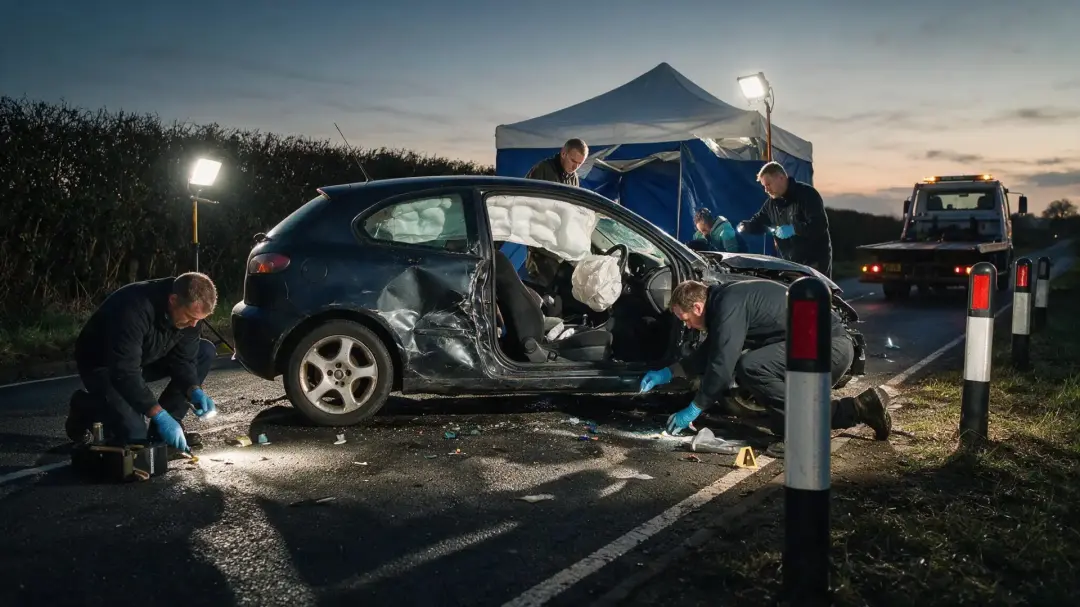
Evidence can help investigators build a clearer picture of what happened before, during and after an accident. It may provide information about vehicle positions, direction of travel, speed, braking, visibility and the actions of the people involved.
Evidence may also help when accounts of the accident differ. Physical evidence from the scene can sometimes support, clarify or challenge statements provided by drivers and witnesses.
The exact evidence required will depend on the circumstances. A minor collision may require much less investigation than an accident involving several vehicles, serious injuries or disputed events.
Photographs of the Accident Scene
Photographs are one of the most useful ways to create a lasting record of an accident scene. Investigators may photograph the road from several positions so that vehicle locations, junction layouts, signs, markings and surrounding features can be reviewed later.
Close-up photographs can also record damage to vehicles, broken components, tyre marks, debris and other details. Wider photographs provide context by showing how these features relate to the rest of the road. Where possible, photographs taken shortly after the accident can be particularly useful because the scene may change once vehicles are recovered and the road is cleared.
Vehicle Positions and Scene Measurements
Investigators may record where vehicles came to rest and take measurements from fixed points around the scene. Measurements can help establish distances between vehicles, road markings, junctions, bends, signs and other important features. This information can later be used to create an accurate plan of the accident scene.
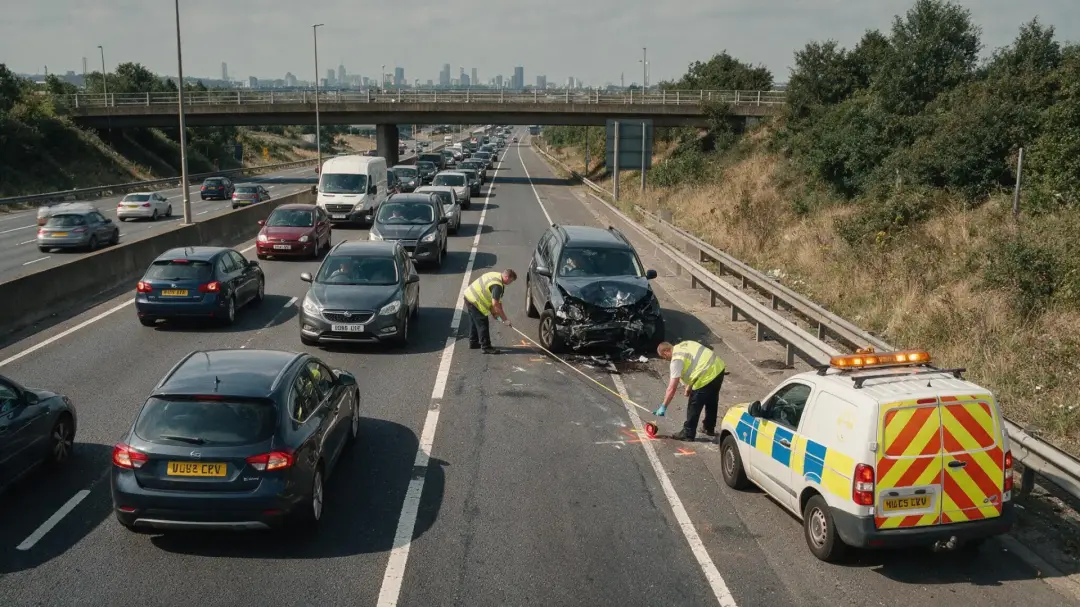
The final position of a vehicle does not necessarily show exactly where the impact took place. A vehicle may continue moving after a collision or may have been moved before investigators arrive.
For this reason, vehicle positions are normally considered alongside other evidence. Debris, tyre marks, damage and marks on the road can all help investigators identify possible points of impact.
Accurate measurements can be particularly useful where a detailed reconstruction of the accident is required.
Vehicle Damage
The type and location of vehicle damage can provide important information about how a collision occurred. Investigators may examine dents, scratches, broken lights, damaged wheels, deployed airbags and damage to the front, rear or sides of each vehicle.
Damage patterns can sometimes help identify which parts of two vehicles made contact and the direction of the forces involved. Where several vehicles are involved, comparing damage between them can also help establish the possible order of impacts. Vehicle damage should not normally be considered on its own, as the design, size and construction of each vehicle can affect how it responds to a collision.
Tyre Marks, Debris and Evidence on the Road
Marks and objects left on the road can contain useful information. Investigators may look for tyre marks caused by braking, steering or loss of control. The location, direction and length of these marks may help when examining how a vehicle moved before or after an impact.
Debris can also be important. Broken glass, plastic, vehicle parts, paint fragments and other material may help identify an area where contact occurred. Investigators may also examine scratches, gouges or fluid marks on the road surface.
Evidence of this kind can disappear quickly because of traffic, weather, road cleaning or recovery work. Recording it accurately at an early stage can therefore be important.
CCTV and Dashcam Footage
Video evidence can provide a direct record of events surrounding a road traffic accident. This may include footage from roadside cameras, nearby homes and businesses, public transport, vehicle dashcams or other recording systems.
Useful footage does not always need to show the collision itself. A camera may have recorded a vehicle shortly before the accident, helping to establish its route, position or movements. Footage from several cameras may provide an even clearer picture.
Video recordings may only be stored for a limited period before they are overwritten. Where footage could be relevant, identifying and preserving it as soon as possible may prevent useful evidence from being lost.
Witness Statements
People who saw the accident, or events immediately before it, may be able to provide useful information. Witnesses could include other drivers, passengers, pedestrians, residents or people working nearby.
A witness may have seen the position of a vehicle, a traffic signal, a driving action or something else that helps explain what happened. However, people can remember the same event differently. Investigators will normally consider witness accounts alongside physical and recorded evidence rather than treating one statement as a complete account of the accident.
Road and Weather Conditions
The condition of the road and the surrounding environment may have contributed to an accident. Investigators can record whether the road was wet, dry, icy, damaged or affected by standing water. They may also consider lighting, visibility and weather at the time.
Road layout can also matter. Bends, hills, junctions, lane markings, speed limits, signs and traffic signals may all influence what drivers could see and how they were expected to use the road. Where relevant, investigators may consider whether trees, parked vehicles, buildings or other objects affected visibility.
Information Recorded by Vehicles
Modern vehicles can contain electronic systems that record information about their operation. Depending on the vehicle and the circumstances, investigators may be able to examine information relating to vehicle speed, braking, warning systems or other vehicle functions.
Commercial vehicles may provide additional records, including information relating to driving activity or vehicle movements. This type of evidence can help investigators understand events leading up to a collision, but its availability and usefulness will depend on the vehicle and the system fitted.
Mobile Phones and Other Digital Evidence
In some investigations, digital information may be relevant. For example, records may help establish whether a device was being used around the time of an accident. Navigation information or other digital records may also help clarify a journey or sequence of events.
Access to this type of evidence is subject to legal requirements. The fact that a device was active at a particular time also does not automatically establish how it was being used or whether its use contributed to an accident. Digital evidence must therefore be considered carefully and in context.
Information About the Drivers and Vehicles
Depending on the nature of the investigation, information about the people and vehicles involved may also be examined. This can include vehicle details, maintenance records and other relevant documents.
Where there is a reason to investigate possible vehicle failure, components such as tyres, brakes, steering, lights or suspension may be inspected. Investigators may consider whether a fault existed before the accident or whether the damage was caused by the collision itself.
How Is the Evidence Used?
Once evidence has been gathered, the different sources can be compared. Investigators may use photographs, measurements, vehicle damage, video recordings and witness accounts to develop a sequence of events.
Where appropriate, this information can form part of a road traffic accident reconstruction. The aim is to explain the accident using the available evidence rather than relying on assumptions. Depending on the case, the findings may be relevant to insurance claims, legal proceedings, disputes or other formal investigations.
It is also important to recognise the limits of the available evidence. In some accidents, there may not be enough reliable information to answer every question with certainty. A clear investigation should distinguish between findings supported by evidence and points that cannot be established.
The Latest Road Casualty Figures
The Department for Transport's final figures for 2025 recorded 127,883 casualties of all severities in reported road collisions across Great Britain. Of these, 1,538 people were killed and 29,918 were killed or seriously injured.
Compared with 2024, fatalities fell by 4%, while the number of people killed or seriously injured increased by 4%. The total number of casualties was broadly unchanged. The figures also show that there were around four road fatalities for every billion vehicle miles travelled during 2025.
These figures cover personal injury collisions reported to the police. Not every road accident or non-fatal injury is reported, so the figures should not be treated as a complete count of every collision that takes place.
Why Preserving Evidence Matters
Some types of accident evidence can change or disappear quickly. Vehicles may be repaired, tyre marks can fade, debris can be removed and video recordings may be overwritten. Witnesses may also find it harder to remember precise details as time passes.
Preserving relevant evidence can therefore make a major difference to the quality of an investigation. Where a serious or disputed accident has taken place, an early assessment can help identify what evidence exists and what should be recorded before it is no longer available.
Building a Clear Picture of What Happened
A road traffic accident investigation can involve many different forms of evidence. Photographs, measurements, vehicle damage, road marks, video footage, witness statements, road conditions and vehicle information can each provide part of the picture.
The strongest conclusions often come from comparing several independent sources of evidence. When different pieces of information support one another, investigators may be able to establish a much clearer account of how an accident happened and the factors that contributed to it.
If you require a detailed assessment following a collision in Scotland, a road traffic accident investigation can help examine the available evidence and establish the circumstances surrounding the incident.
Related Articles
Determine the Cause of a Road Traffic Accident