How Investigators Determine the Cause of a Road Traffic Accident
When a serious road traffic accident happens, investigators may need to work out exactly what occurred and why. A collision can involve several factors, including driver behaviour, vehicle condition, road layout, weather, visibility and speed. Rather than relying on one piece of evidence, investigators normally build a picture from several different sources.
This work can be important in police investigations, insurance claims, legal cases and disputes about responsibility. The latest Department for Transport figures show why detailed investigation remains important. In Great Britain during 2025, there were 1,538 road deaths, 29,918 people killed or seriously injured and 127,883 casualties of all levels of severity in reported road collisions.
Examining the Accident Scene
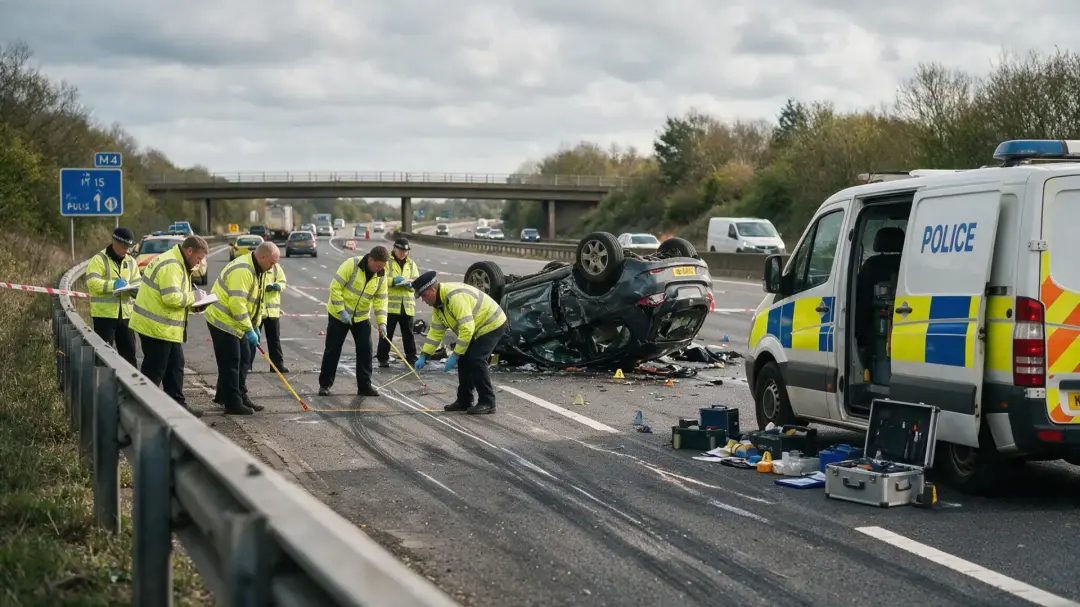
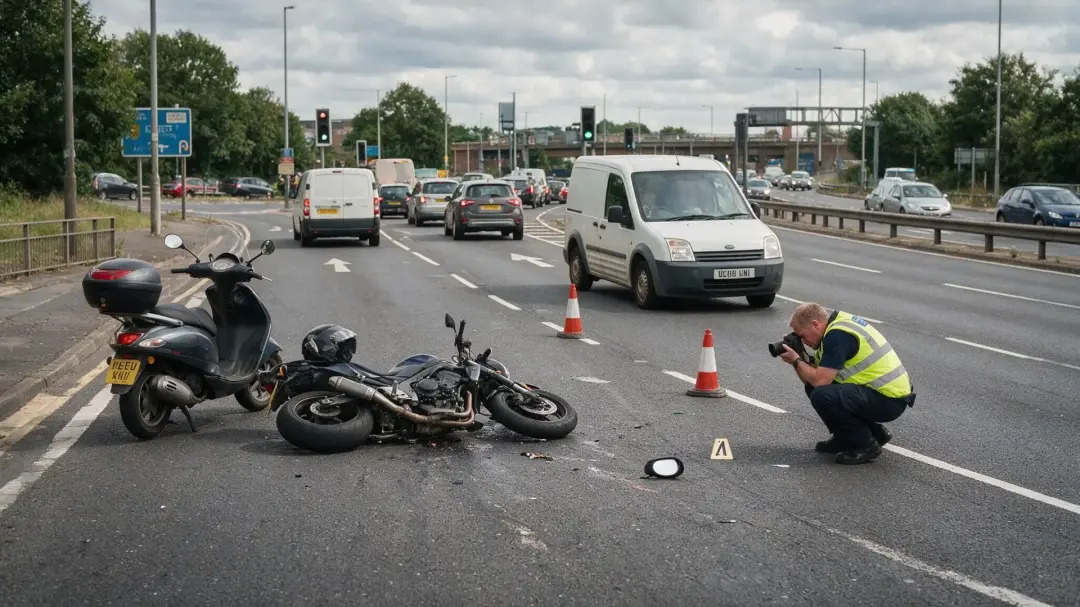
One of the first stages is a careful examination of the location where the collision happened. Investigators may record the position of vehicles, debris, damaged barriers, road markings and other physical evidence. Measurements, photographs and video footage can help preserve details of the scene before vehicles are removed and the road is reopened. The position of each item can help investigators understand how the vehicles moved before, during and after the impact.
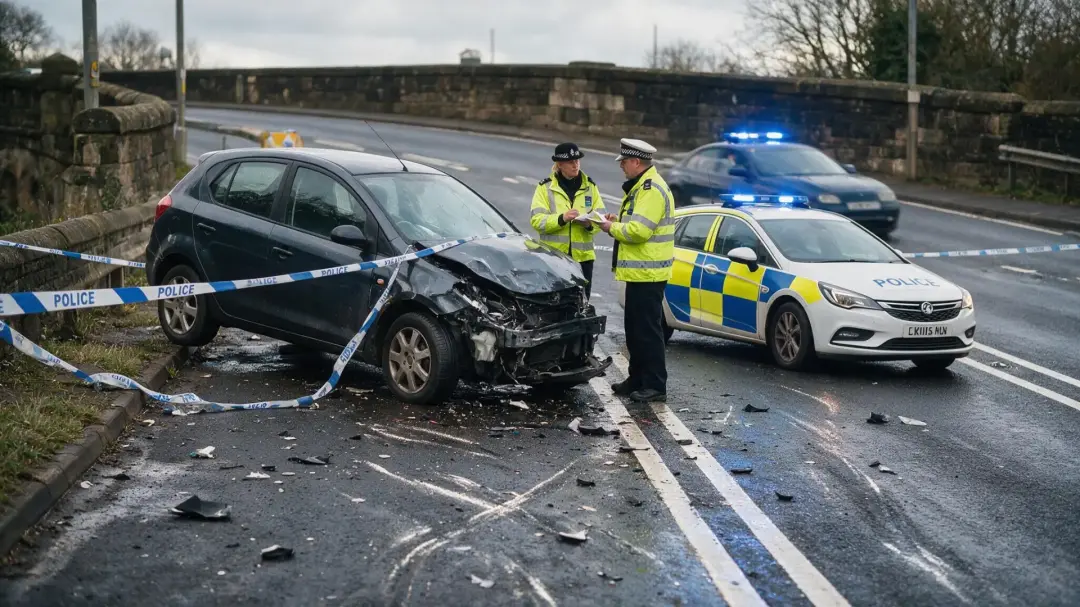
Marks on the road can provide useful information. Tyre marks may show where a driver braked, changed direction or lost control. Scrapes, damaged street furniture and the final resting positions of vehicles can also help show the path taken through the collision.
Investigators will also consider the road itself. They may look at bends, junctions, lane markings, signs, speed limits, lighting and the condition of the road surface.
Weather and visibility can matter too. Rain, ice, fog, darkness or bright sunlight may affect how much time a road user had to notice and respond to a danger.
Reconstructing Vehicle Speed and Movement
A major part of some investigations is working out how fast vehicles were travelling and how they moved before the impact. Investigators may use measurements from the scene, vehicle damage, video recordings and electronic vehicle information to estimate speed and direction.
Speed does not have to be above the legal limit to contribute to a collision. A driver can be travelling within the speed limit but still be going too fast for rain, ice, poor visibility, a sharp bend or other road conditions. Department for Transport data for 2025 found that speed-related factors were recorded in 52% of fatal collisions where road safety factors were available, compared with 34% of collisions overall.
Checking the Vehicles for Mechanical Problems
The vehicles involved may be examined to find out whether a mechanical problem contributed to the accident. Investigators can inspect tyres, brakes, steering, lights and other important parts. They may also look for signs that a component failed before the collision rather than being damaged during the impact. Maintenance records and previous repair work can provide further information where the condition of a vehicle is in question.
Modern vehicles can also contain electronic information that may help an investigation. Depending on the vehicle and circumstances, recorded information may show details such as vehicle speed, braking or the use of safety systems shortly before an impact.
Investigators must interpret this information carefully and compare it with physical evidence from the scene. A single set of electronic information will not always explain the full sequence of events.
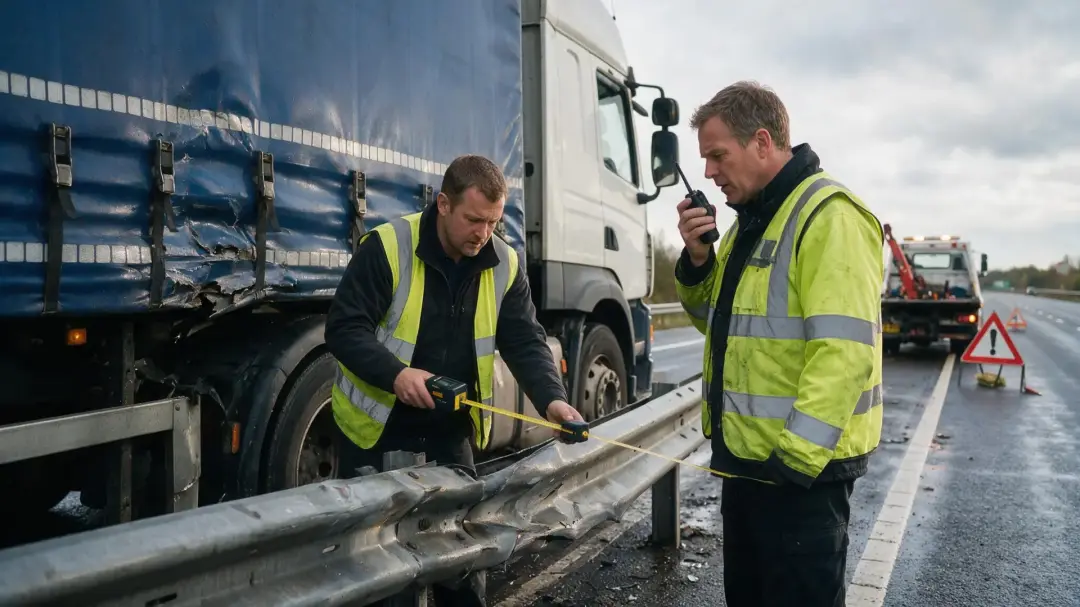
Damage to the vehicles can also provide clues about the angle and force of the impact. Comparing damage across the vehicles may help establish which parts made contact and in what order.
Reviewing Video, Photographs and Witness Evidence
Video evidence can be particularly useful when investigating a road traffic accident. Investigators may review recordings from vehicle cameras, security cameras, doorbell cameras or other systems positioned close to the scene. Footage can sometimes show vehicle movements, traffic signals, pedestrian movements or events that took place in the seconds before a collision.
Witness accounts can provide further evidence. Investigators may speak to drivers, passengers, pedestrians and people who saw or heard the accident. These accounts are normally compared with physical and recorded evidence because memories can differ, particularly after a sudden and stressful event.
Considering Driver Behaviour and Human Factors
Investigators may examine whether the actions of a driver, rider or pedestrian contributed to the collision. This can include observation, decision-making, distraction, tiredness, alcohol, drugs, experience and the way a vehicle was being driven. Phone records or other evidence may also become relevant where distraction is suspected and there is a lawful basis for examining them.
Official figures show that human behaviour plays an important part in many serious collisions. In Great Britain in 2025, ineffective observation by a driver, rider or pedestrian was recorded in 50% of fatal or serious collisions where road safety factors were assigned. Behaviour or inexperience was the most commonly recorded group of factors overall.
Why an Accident May Have More Than One Cause
Road traffic accidents are not always caused by one mistake or event. A collision may involve a combination of circumstances. For example, a driver may fail to notice another vehicle while approaching a junction, while poor lighting or excessive speed reduces the time available to react. Investigators therefore consider how different factors may have worked together.
Department for Transport figures support this approach. Most reported collisions that had road safety factors recorded in 2025 were given more than one factor. This means investigators need to consider the complete sequence of events rather than simply identifying the first possible explanation.
Producing the Final Accident Investigation Findings
Once the available evidence has been collected, investigators can compare each source and build a likely sequence of events. Their findings may explain vehicle movements, speeds, points of impact and the circumstances that contributed to the collision. Where the evidence does not support a firm conclusion, a report should make this clear rather than presenting an uncertain point as fact.
A detailed road traffic accident investigation can help solicitors, insurers, businesses and individuals understand what happened. Independent investigation can be especially useful where accounts conflict, responsibility is disputed or the collision involves serious injury, significant damage or complex vehicle movements.
If you need a clearer understanding of how a road traffic collision happened in Scotland, a detailed investigation can examine the physical evidence, vehicle movements and other available information to help establish the likely sequence of events.
Related Articles
What Evidence Is Collected After a Road Traffic Accident